












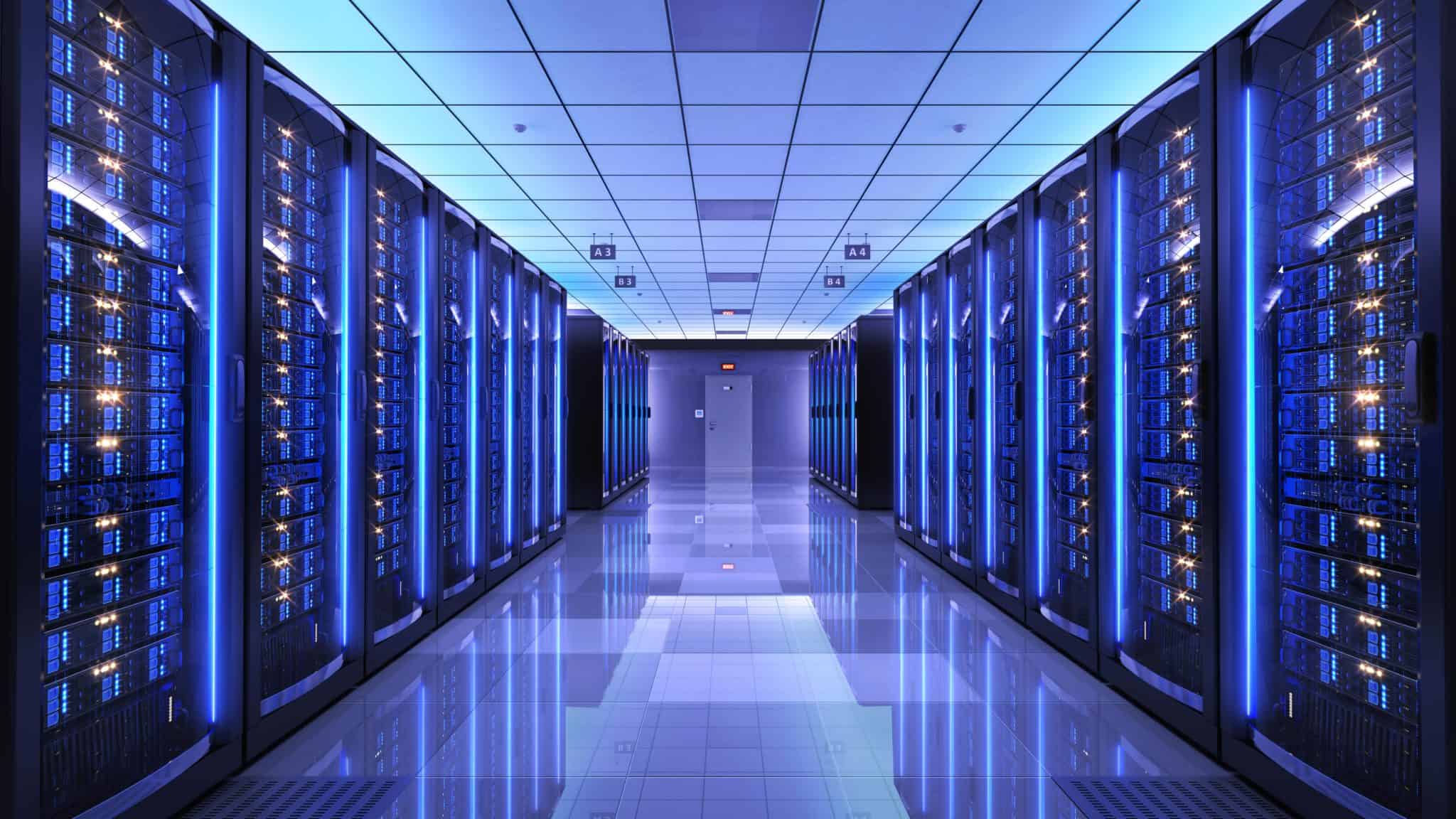
Artificial intelligence (AI) is revolutionizing the way data centers are managed and operated.
By leveraging AI-powered technologies, data center managers can enhance efficiency, optimize resource utilization, and improve overall performance.
Let’s explore the crucial role of artificial intelligence in data center management.
1. Prognostic Supervision
AI enables predictive maintenance strategies that help data center managers anticipate and prevent equipment failures before they occur.
Forecasting analytics:
AI systems examine enormous volumes of data gathered from equipment logs, sensors, and monitoring devices to find patterns and trends that can point to future malfunctions. Moreover, predictive analytics algorithms can notify data management solutions by identifying anomalies and departures from standard operating conditions. As a result, this enables proactive maintenance interventions to minimize disruptions and downtime.
Situation Tracking:
AI-powered monitoring systems keep an eye on the functionality and state of vital infrastructure parts like power distribution units, servers, and cooling systems. Condition monitoring systems can identify early warning indicators of equipment deterioration or malfunction by evaluating real-time data and performance metrics. This allows for prompt maintenance to address issues before they become more serious ones.
Prescriptive Maintenance Suggestions:
Artificial intelligence (AI) systems use machine learning algorithms and data analysis to provide prescriptive maintenance recommendations. Further, to reduce downtime and increase equipment reliability, data center managers can minimize downtime by using recommendations to help them prioritize maintenance tasks, allocate resources effectively, and optimize maintenance schedules.
2. Imagination Maximization
AI-driven resource optimization techniques optimize energy usage, cooling efficiency, and server utilization to maximize resource efficiency and reduce operational costs.
Innovative Resource Distribution:
AI algorithms dynamically distribute computer resources according to application needs, workload demands, and performance goals. The techniques for resource allocation in data centers guarantee effective resource allocation, maximizing efficiency, and minimizing waste, by optimizing resource utilization in real-time.
Cooling that Uses Less Energy:
Airflow patterns, temperature profiles, and environmental data are analyzed by AI-based cooling optimization algorithms to optimize the efficiency of cooling systems while minimizing energy consumption.
Further, AI-driven cooling optimization techniques increase cooling efficiency and lower energy costs without sacrificing equipment performance or reliability by modifying fan speeds, airflow distribution, and cooling setpoints in response to changing conditions.
Server Consolidation of Data and Virtualization:
AI-driven techniques for these two processes find idle servers and move workloads onto fewer physical machines. AI-driven consolidation techniques increase server density, lower hardware footprint, optimize server utilization, and reduce the number of idle or lightly loaded servers, all of which lower costs and benefit the environment.
3. Improved Security and Threat Detection
AI-powered security solutions bolster data center security by detecting and mitigating cyber threats, identifying vulnerabilities, and enhancing threat intelligence capabilities.
Anomaly Identification:
Artificial intelligence (AI) systems look for patterns in system logs, user behavior, and network traffic that might indicate security flaws or other dubious activity. Moreover, anomaly detection systems can identify potential security incidents and initiate prompt response actions to mitigate threats and prevent data breaches.
Behavioral Analysis:
To spot unusual patterns or departures from accepted norms, AI-driven behavioral analysis techniques examine user behavior, application interactions, and system behavior. Behavioral analysis systems can identify malicious activities, unauthorized access attempts, and insider threats by analyzing user behavior and application usage patterns. This allows for the proactive implementation of security measures to safeguard infrastructure assets and data.
4. Independent Activities
AI facilitates autonomous operations in data centers, enabling automated decision-making and self-optimizing capabilities.
Automated Remediation:
Without requiring human assistance, AI-driven systems can automatically identify and fix common problems or anomalies in data center infrastructure. Data center managers can increase overall system reliability, decrease manual labor, and streamline operations by putting automated remediation workflows into place.
Self-Healing Systems:
Self-healing systems driven by artificial intelligence proactively detect and resolve possible malfunctions or performance degradation in real time. Self-healing systems minimize downtime and service disruptions by automatically applying corrective actions and adjustments to ensure continuous operation and resilience.
5. Clever Capacity Planning
AI-driven capacity planning tools analyze historical data, usage patterns, and future demand forecasts to optimize resource provisioning and allocation.
Forecasting Simulation:
Based on past usage data and trend analysis, AI algorithms employ predictive modeling techniques to forecast future resource requirements. Capacity planning tools help data center managers anticipate resource needs, allocate resources efficiently, and prevent shortages or bottlenecks in capacity by providing an accurate forecast of future demand.
Scenario Planning:
AI-powered capacity planning tools support scenario planning and what-if analysis, allowing data center managers to simulate different scenarios and evaluate the potential impact on resource utilization, performance, and cost. By exploring various scenarios and assessing their implications, data center managers can make informed decisions and develop proactive strategies to address future capacity requirements.
6. Real-Time Execution Optimization
AI enables real-time performance optimization in data centers, allowing for dynamic adjustments to infrastructure configurations to meet changing demands.
Monitoring and Analysis of Performance:
AI-driven monitoring systems continuously gather and examine performance indicators from networking, storage, and server components in data centers. Artificial intelligence (AI) algorithms can detect bottlenecks, optimize resource utilization, and guarantee optimal performance throughout the data center infrastructure by continuously monitoring performance.
Dynamic Resource Allocation:
AI-driven systems dynamically allocate resources based on workload requirements, performance objectives, and cost constraints. By automatically adjusting resource allocations in response to changing workload patterns, real-time optimization techniques ensure that resources are utilized efficiently and that service levels are maintained even during peak demand periods.
Conclusion
The utilization of artificial intelligence in data center management is essential as it facilitates enhanced security capabilities, resource optimization, and predictive maintenance.
Data center managers can guarantee the dependability, performance, and resilience of their data center infrastructure by utilizing AI-powered technologies to boost security posture, lower expenses, and increase operational efficiency. Adopting AI-driven strategies for managing data centers is crucial for companies looking to keep up with the quickly changing digital landscape of today.