












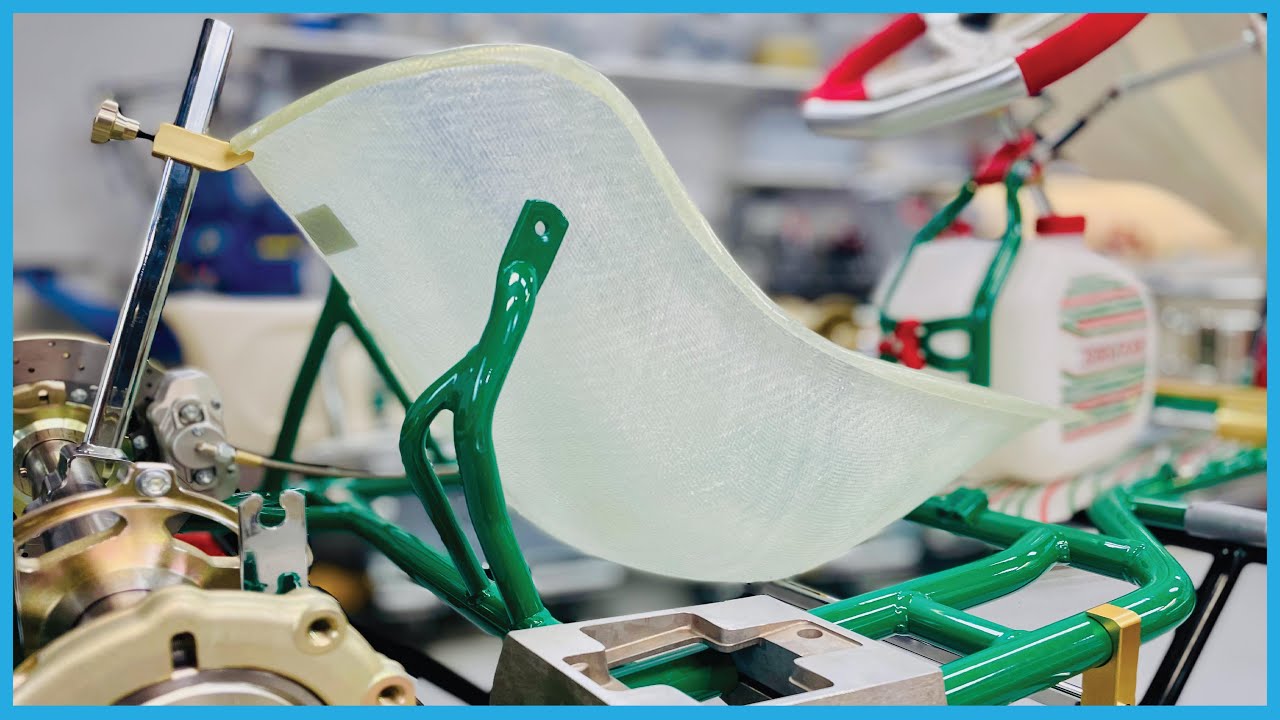
Kart Seat Positioning is a sport that demands precision, agility, and optimal control to achieve maximum performance on the track. While the engine, tires, and steering play crucial roles in a kart’s performance, the positioning of the seat is often overlooked but plays a vital role in achieving optimal handling and control. Proper seat positioning can significantly enhance a driver’s ability to control the kart, improve handling, and ultimately lead to better lap times and performance. Here’s how to optimize kart seat positioning for maximum performance.
Understanding the Importance of Seat Positioning
The seat is the connection between the driver and the kart, transferring weight and providing stability during high-speed maneuvers. Proper seat positioning allows the driver to maintain optimal balance, control, and responsiveness, ensuring the kart responds predictably to steering inputs and weight transfers.
Finding the Right Seat Size and Shape
Kart Seat Positioning come in various sizes, shapes, and materials to accommodate different body types and driving styles. It’s essential to choose a seat that provides a snug and supportive fit, ensuring the driver can maintain a comfortable and stable driving position throughout the race.
- Seat Size: A seat that is too large or too small can hinder movement and weight transfer, affecting the kart’s handling and responsiveness. Choose a seat size that allows the driver to sit comfortably with minimal movement, ensuring optimal control and balance.
- Seat Shape: The shape of the seat influences the driver’s posture and weight distribution. Opt for a seat with a shape that complements your body type and driving style, providing adequate support and stability during high-speed cornering and braking maneuvers.
- Material: Kart seats are typically made from fiberglass, carbon fiber, or plastic. Choose a seat material that offers a balance between comfort and rigidity, ensuring optimal support and weight transfer during acceleration, braking, and cornering.
Adjusting Seat Position for Optimal Weight Distribution
Proper weight distribution is crucial for achieving optimal handling and control on the track. Adjusting the seat position to optimize weight distribution can significantly improve the kart’s balance and responsiveness.
- Fore and Aft Positioning: Adjust the seat’s fore and aft position to achieve a balanced weight distribution between the front and rear wheels. A well-balanced kart provides better traction and stability, especially during cornering and acceleration.
- Lateral Positioning: Adjust the seat laterally to center the driver’s weight over the kart’s centerline. Proper lateral positioning enhances the kart’s handling and responsiveness, allowing the driver to make precise steering inputs and weight transfers.
Optimizing Seat Angle and Height
The angle and height of the seat also play a crucial role in achieving optimal control, comfort, and performance on the track.
- Seat Angle: Adjust the seat angle to achieve a comfortable and ergonomic driving position. A slightly reclined seat angle can improve comfort and reduce fatigue during long races, allowing the driver to maintain focus and concentration.
- Seat Height: Adjust the seat height to achieve optimal visibility and control. A seat that is too high or too low can hinder visibility and affect the driver’s ability to make precise steering inputs and weight transfers. Aim for a seat height that allows the driver to maintain a clear line of sight and optimal control of the kart.
Testing and Fine-Tuning Seat Position
Once you have adjusted the seat position, it’s crucial to test and fine-tune the settings to ensure optimal handling, control, and performance on the track.
- Track Testing: Take the kart to the track and conduct several test laps to evaluate the handling, responsiveness, and overall performance. Pay attention to how the kart responds to steering inputs, weight transfers, and cornering speeds.
- Driver Feedback: Gather feedback from the driver to identify any areas of discomfort or limitations in the current seat position. Adjust the seat position based on the driver’s feedback to achieve optimal comfort, control, and performance.
- Fine-Tuning: Continue to fine-tune the seat position based on track performance, driver feedback, and personal preferences. Small adjustments can make a significant difference in achieving optimal handling, responsiveness, and lap times.
Conclusion
Optimizing kart seat positioning is crucial for achieving maximum performance on the track. By choosing the right seat size, shape, and material, adjusting the seat position for optimal weight distribution, optimizing seat angle and height, and testing and fine-tuning the settings, drivers can achieve optimal control, handling, and performance, ultimately leading to better lap times and success on the track. Proper seat positioning enhances the driver’s ability to control the kart, improves handling and stability, reduces fatigue, and ensures safety and confidence on the track, making it an essential aspect of kart setup and performance optimization.
For more info: Tillett