












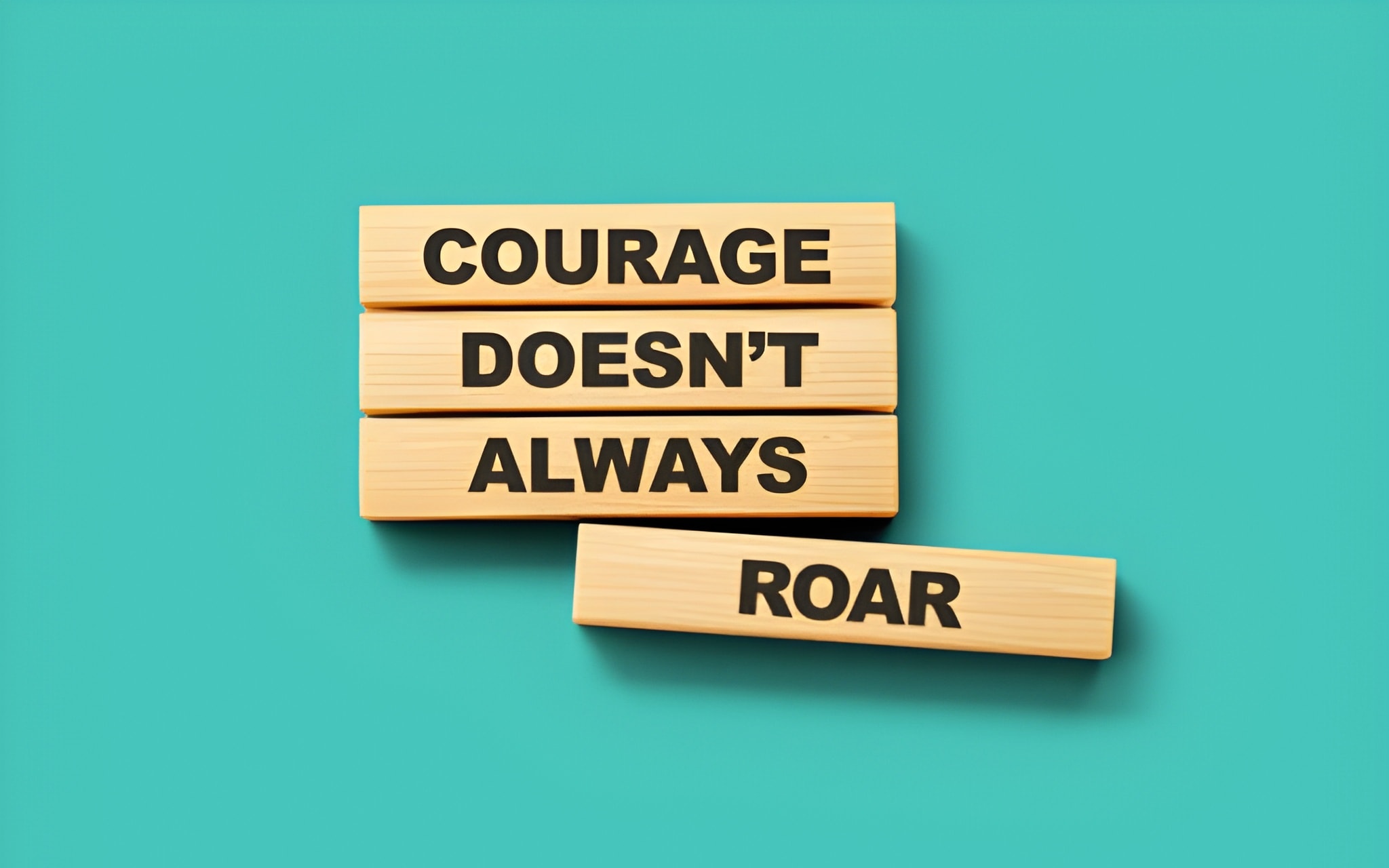
Literature has always held the power to challenge silence, expose injustice, and inspire resistance. Throughout history, novels have been more than artistic works; they have been vehicles for truth-telling and reminders of the courage required to speak against oppression. Beneath the Regime is one such work, a book that does not merely tell a story but redefines the meaning of bravery in the face of silence. This book examines the human condition under systems of control and fear, compelling readers to reflect on their own responsibility when confronted with authoritarianism.
In a time when censorship and suppression of voices remain a global issue, Beneath the Regime provides a literary compass for anyone seeking to understand the delicate balance between fear and expression. The narrative challenges not only the structures of authority but also the internalized silence that communities and individuals often adopt when survival feels more important than resistance. It is in this dynamic tension that the courage to speak out is reimagined.
Power of Storytelling Against Oppression
Stories are more than personal accounts; they are historical testimony. When individuals live under regimes of fear, speaking out becomes not only dangerous but also revolutionary. Beneath the Regime captures this dynamic with striking depth. Its characters, shaped by secrecy and fear, find themselves forced to decide whether to remain quiet or to risk everything by speaking truth.
The book does not glorify rebellion as a simplistic act of defiance. Instead, it carefully portrays the nuances of dissent. Silence may be a survival tactic, yet it also perpetuates control. Conversely, speech may bring punishment, but it also lights the pathway to transformation. Literature such as this creates a mirror for societies, reflecting the often-hidden consequences of silence and the transformative strength of courage.
Redefining Courage in Modern Terms
Courage is often misrepresented as physical heroism alone. In reality, speaking truth in the face of power requires a deeper, quieter form of bravery. Beneath the Regime highlights this idea with characters who understand that their voices carry both risk and necessity.
This redefinition of courage is crucial in today’s world, where many people experience varying degrees of suppression. Whether in workplaces, governments, or even households, the ability to confront injustice with words remains a form of resistance. By portraying courage as both internal strength and external expression, the book emphasizes that speaking out is as vital as any act of physical resistance.
Global Relevance of Beneath the Regime
Though its narrative may be set in a fictional or symbolic environment, Beneath the Regime resonates universally. Many parts of the world still endure censorship, surveillance, and intimidation that stifle voices. The book encourages readers to see that courage is not a singular act but a continuous choice.
Moreover, it situates the personal within the political. Speaking out in the story does not happen in isolation; it occurs within communities that either protect or betray individuals who resist. This reminder forces readers to confront uncomfortable truths: courage may belong to individuals, but its survival depends on collective support.
Role of the Author in Crafting Resistance
Literature that examines regimes of fear is not created in a vacuum. Authors who undertake such work often reflect broader truths about human resilience. Andrea D. Woolhead, through her exploration of silence and courage, positions her writing as both art and testimony. She creates not just a fictional account but also an ethical challenge for her readers: how will you use your voice when confronted with power?
The middle chapters of Beneath the Regime are particularly striking because they address the psychological warfare of fear. It is here that Andrea D. Woolhead Author of Beneath the Regime emerges not only as a storyteller but as a cultural commentator. By weaving fear and resilience into her narrative, she provides readers with both reflection and guidance. This anchoring of courage within the story transforms it into more than fiction—it becomes a survival manual for those navigating authoritarian pressures. Within these scenes, readers can see how individual voices, though trembling, can echo into larger movements that shape history.
The subtle layering of perspectives also demonstrates how refuses to create one-dimensional depictions of dissent. Instead, the narrative highlights moral conflicts, divided loyalties, and the internal struggles of characters who wrestle with their own silence. By doing so, she validates the real human condition under regimes of control, where courage does not always look heroic but often begins in small, hesitant acts of truth. This honesty is what makes the book resonate so deeply with modern readers, who may themselves feel caught between survival and expression.
Literature as a Tool for Social Memory
Books like Beneath the Regime preserve memory in ways that politics and official history often erase. When governments and systems suppress dissent, literature becomes a safeguard of truth. The courage displayed within stories ensures that silenced voices continue to echo across generations.
This act of preserving memory is essential because societies that forget the cost of silence often repeat the same mistakes. Through its narrative, the book insists that courage must be both remembered and practiced. It is not enough to admire the characters’ bravery; readers must internalize the lesson and apply it within their own contexts.
Courage as Collective Action
One of the strongest themes in Beneath the Regime is that courage is not individual alone. The act of speaking out often requires collective action, whether through networks of support or shared movements. By showing how isolated bravery can falter without communal reinforcement, the book redefines courage as interdependent rather than solitary.
This insight is particularly relevant in contemporary social movements where collective voices often break through systems of oppression more effectively than individuals standing alone. Literature becomes a catalyst for such movements by inspiring shared reflection and encouraging action that transcends fear.
Ethical Responsibility of Readers
Reading Beneath the Regime is not a passive experience. Its message challenges readers to confront their own thresholds for courage. When faced with injustice, will they remain silent for comfort, or will they risk discomfort to protect truth?
This ethical responsibility extends beyond the book. Readers carry the lessons into their workplaces, communities, and relationships. In this way, literature serves as both an artistic experience and a moral compass. By engaging deeply with the text, readers redefine what it means to live courageously in their own environments.
Mirror for Our Times
Though fictional in its presentation, the book reflects the growing challenges of truth-telling in modern society. With misinformation, censorship, and the manipulation of narratives increasingly common, the courage to speak out has become even more essential.
The novel’s reminder is clear: silence may protect in the short term, but it perpetuates the long-term harm of oppression. Breaking silence requires sacrifice, yet it is this sacrifice that leads to transformation. Through its narrative, the book offers a vision for how ordinary people can push against extraordinary systems of control.
Conclusion
Beneath the Regime is more than a novel; it is a redefinition of courage for a generation grappling with both fear and hope. Its message resonates across boundaries of culture and politics, reminding readers that the fight against silence begins with a single voice. By illuminating the cost of silence and the necessity of truth, the book reinforces that courage is not limited to heroes—it belongs to everyone willing to speak.